🏭 Ashnisha Industries Limited – Small-Cap Strength with Big Growth Vision
1. Introduction: The Rise of Ashnisha Industries Limited
In the ever-evolving world of Indian manufacturing, Ashnisha Industries Limited has emerged as a growing name in the steel and alloys segment. Based in Ahmedabad, Gujarat, this company may not yet be a large-cap player, but it has been quietly building a strong foundation that reflects India’s industrial spirit.
Founded in 2009, Ashnisha Industries Limited started with a simple vision — to become a reliable supplier and manufacturer of steel and alloy products for industrial use. Over time, the company diversified into investment, trading, and value-added steel products, expanding both its product portfolio and financial presence.
The company’s stock, traded on the Bombay Stock Exchange (BSE code: 541702), has attracted the attention of retail investors seeking opportunities in the small-cap manufacturing and infrastructure sectors.
2. Company Overview: From Ashnisha Alloys to Ashnisha Industries
Ashnisha Industries Limited was originally known as Ashnisha Alloys Limited. In 2021, it rebranded itself as Ashnisha Industries Limited, symbolizing a broader business vision that extends beyond alloy manufacturing.
- Incorporation Date: 27 July 2009
- Registered Office: 7th Floor, Ashoka Chambers, Opp. HCG Hospital, Mithakhali Six Roads, Ahmedabad, Gujarat – 380006
- CIN: L74110GJ2009PLC057629
- Listing: Bombay Stock Exchange (BSE)
- Key Management:
- Mr. Ashok C. Shah – Managing Director
- Mr. Shalin Ashok Shah – Director
- Mr. Swapnil Sharad Shimpi – Director
This team has combined industrial experience with modern strategies to strengthen the company’s market presence and financial discipline.
3. Business Model: The Core of Ashnisha’s Operations
The business model of Ashnisha Industries Limited revolves around three major segments:
(a) Manufacturing and Trading of Steel Products
Ashnisha Industries manufactures and trades in steel and steel alloy products, including stainless steel, carbon steel, and special-grade alloys. These materials are used across industries such as construction, engineering, automotive, and infrastructure.
(b) Investment and Trading Activities
Apart from steel, Ashnisha also participates in strategic investments and trading of financial instruments. This diversification provides a secondary income stream, reducing dependency on industrial cycles.
(c) Value-Added Products
With India’s growing demand for high-strength materials and infrastructure modernization, Ashnisha is gradually shifting focus toward value-added steel products that command better margins.
4. Financial Overview and Performance
Though small in size compared to large steel conglomerates, Ashnisha’s financials showcase steady growth and operational stability.
- Authorized Capital: ₹27.50 Crore
- Paid-Up Capital: ₹10.10 Crore
- Revenue: Around ₹7.2 Crore (latest available data)
- Net Worth: Positive, indicating financial stability
- Debt: Low, which enhances investor confidence
Ashnisha’s financial structure indicates a lean, low-debt model, giving it flexibility in a volatile steel market. While its turnover may appear modest, the company has managed to stay profitable even during global steel price fluctuations.
5. Stock Market Performance and Investor Interest
The stock of Ashnisha Industries Limited (BSE: 541702) trades as a small-cap equity, often categorized under emerging industrial companies.

🔹 Share Price Movement:
The share price has shown periods of consolidation, followed by short bursts of bullish momentum. These movements are driven by:
- Market optimism around small-cap industrials
- Growth in India’s manufacturing and infrastructure sectors
- Rebranding and diversification efforts
🔹 Investor Sentiment:
Retail investors looking for undervalued, high-growth potential small caps often find Ashnisha appealing. The company’s consistent business model and strategic rebranding indicate a longer-term growth trajectory.
However, since it trades in the low-volume small-cap segment, price volatility is higher — making it suitable for high-risk, long-term investors rather than short-term traders.
6. Competitive Advantage and Industry Outlook
India’s steel industry is among the world’s largest, contributing significantly to GDP and employment. Within this massive ecosystem, smaller players like Ashnisha Industries Limited find opportunities in customized, niche segments.
🌟 Key Competitive Advantages:
- Strategic Location in Gujarat: Easy access to raw materials, ports, and industrial clients.
- Diversified Operations: Not restricted to steel manufacturing alone; also involved in trading and investments.
- Efficient Cost Management: Low debt and lean operations help maintain profitability.
- Reputation for Quality: Consistent focus on product reliability and customer trust.
🌐 Industry Outlook:
According to government data and industry forecasts, India’s steel consumption is expected to rise sharply over the next decade due to:
- Infrastructure projects (roads, railways, metros)
- Real estate expansion
- Automotive manufacturing boom
- ‘Make in India’ and ‘Atmanirbhar Bharat’ initiatives
Ashnisha Industries Limited, by aligning with these trends, is positioned to ride the wave of India’s industrial expansion.
7. Challenges and Risks
While the company shows promise, investors and analysts must also consider the challenges that Ashnisha Industries Limited faces:
- Market Volatility: Steel prices fluctuate globally, affecting margins.
- Competition: Larger players like Tata Steel, JSW, and SAIL dominate pricing and supply chains.
- Scale Limitations: Being a small-cap, Ashnisha faces constraints in large-scale orders and capital investments.
- Liquidity Concerns: Stock trading volumes are relatively low, affecting entry and exit timing for investors.
- Regulatory and Environmental Factors: The steel industry is subject to environmental compliance costs and regulatory changes.
Despite these hurdles, Ashnisha’s balanced business model and prudent management offer resilience in uncertain times.
8. Growth Strategy and Future Plans
Ashnisha Industries Limited appears to be building a long-term growth roadmap focused on sustainability, innovation, and diversification.
🔹 Future Growth Drivers:

- Expansion of Product Portfolio: More specialized alloys and steel grades.
- Technology Adoption: Incorporating automation and digital platforms for operations.
- Strategic Partnerships: Collaborations with local suppliers and global traders.
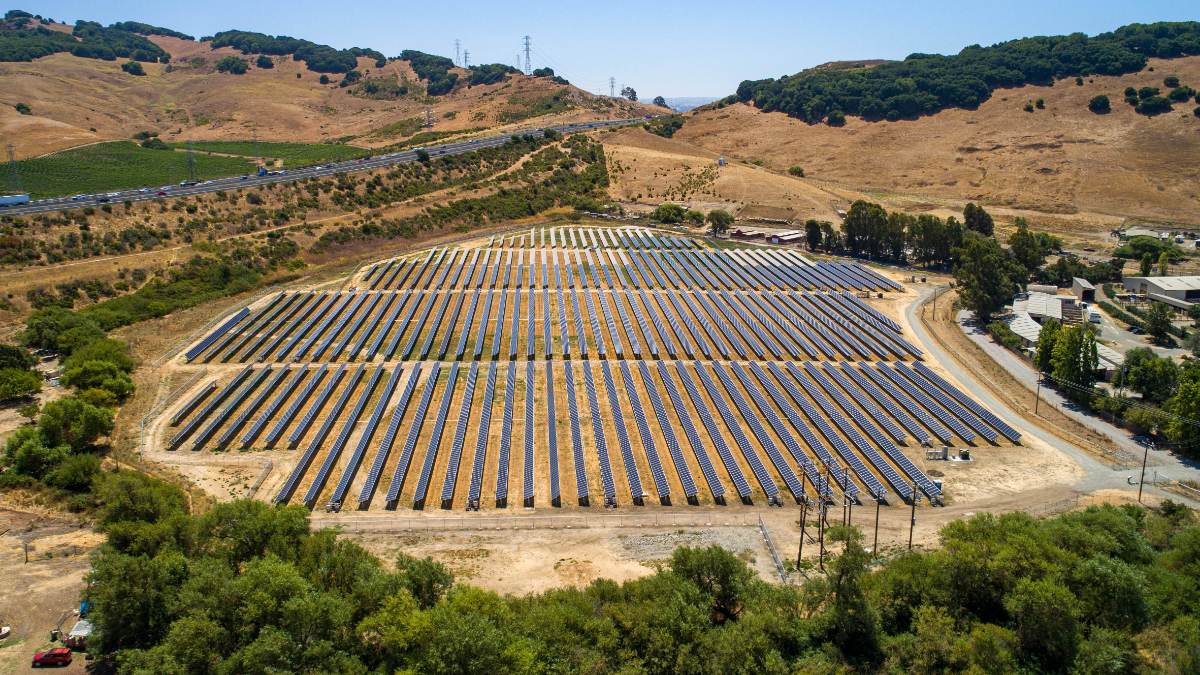
- Investment in Clean Energy: Aligning with India’s carbon reduction and green manufacturing goals.
- Capital Market Expansion: Improving investor communication and transparency to attract more market participation.
These steps indicate that Ashnisha Industries Limited is not just surviving in the steel market but actively preparing for a modern industrial era.
9. Management Vision: Leadership with Long-Term Thinking
The leadership of Mr. Ashok C. Shah and his team reflects the classic Gujarati business acumen — disciplined, patient, and forward-looking.
Their decision to rebrand from “Ashnisha Alloys” to “Ashnisha Industries” reflects their intention to expand into multiple industrial sectors. The management’s consistent performance despite market fluctuations speaks volumes about their long-term vision and operational prudence.
10. Should You Invest in Ashnisha Industries Limited?
From a stock market perspective, Ashnisha Industries is a small-cap with potential, but not without risk. Investors should approach it with:
- Long-Term Horizon: Expect returns over years, not months.
- Risk Appetite: Suitable for those comfortable with market fluctuations.
- Diversified Portfolio Approach: Should form part of a broader small-cap allocation.
Ashnisha’s fundamentals are solid for its size — low debt, positive earnings, and expansion vision — but its growth pace depends on market cycles and management execution.
11. Conclusion: A Small Cap with Steady Ambitions

Ashnisha Industries Limited stands as a fine example of India’s growing small-cap industrial strength. Its disciplined management, steady financials, and future-ready diversification make it a company to watch in the steel and manufacturing segment.
While it might not dominate headlines like Tata or JSW, Ashnisha’s quiet progress tells a powerful story — that of Indian small industries finding their place in a globalized economy.
For investors seeking hidden gems in India’s small-cap universe, Ashnisha Industries Limited offers a compelling mix of industrial stability and growth potential.
For More Such Amazing Content Please Visit : https://investrupeya.insightsphere.in/












Post Comment