🔥 “RBI Repo Rate Shock 2026: How Your Home, Car & Personal Loans Will Transform This Year!”
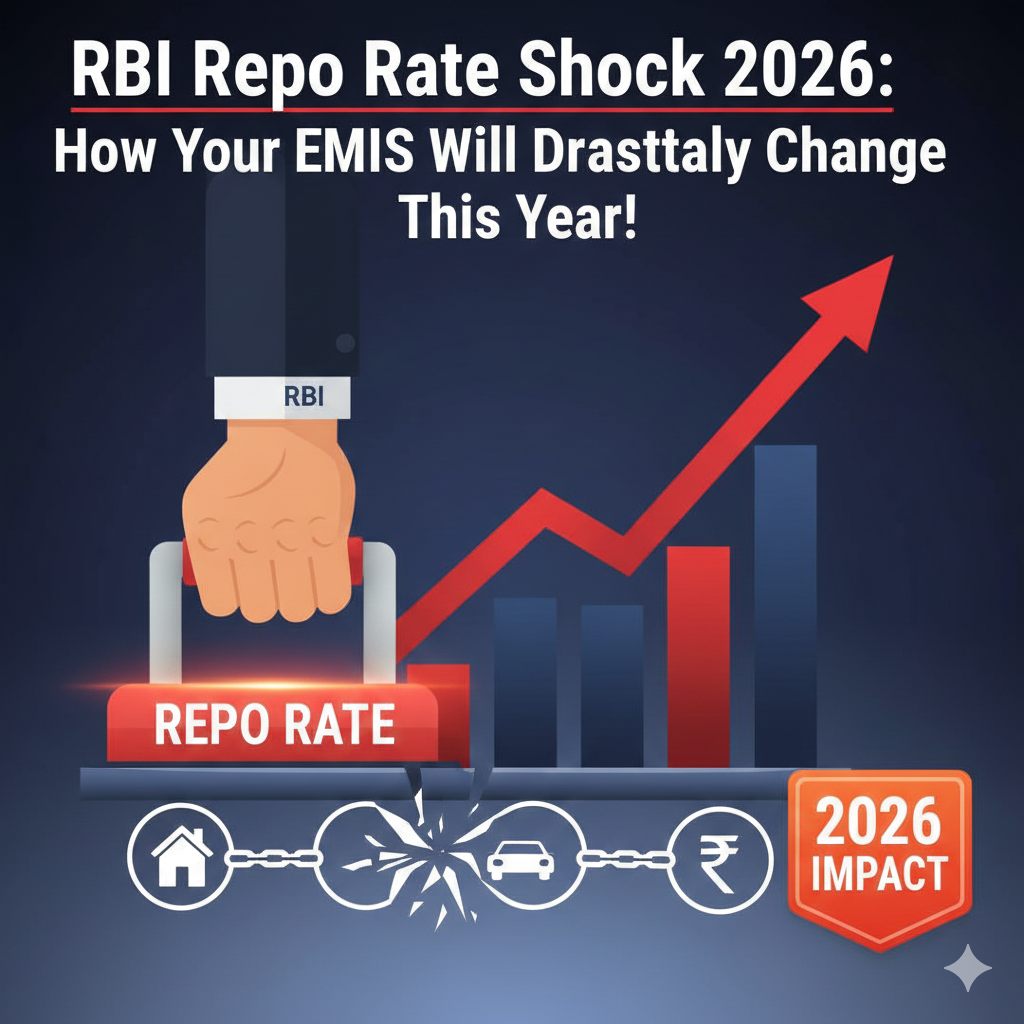
RBI Repo Rate Shock 2026: How Your EMIs Will Drastically Change This Year!
The year 2026 has begun with massive curiosity around RBI’s Repo Rate decisions, and rightly so. With inflation showing unpredictable patterns — partly stabilizing, partly rising again due to global oil fluctuations — the Reserve Bank of India is under pressure to strike the perfect balance between growth and price stability.
In 2025, India witnessed moderate rate cuts followed by a cautious stance. But 2026 looks different. With global demand reviving, supply-chain pressures easing, and India entering a high-growth trajectory, everyone is asking:
👉 Will the RBI cut the repo rate in 2026?
👉 Will loans become cheaper or more expensive?
👉 What will happen to home, car, and personal loan EMIs?
This blog breaks down everything you need to know, in clear and powerful terms.
1. What Is the RBI Repo Rate? (Quick refresher)
The Repo Rate is the interest rate at which the Reserve Bank of India lends money to commercial banks. It controls:
- Inflation
- Liquidity
- Borrowing cost
- Overall economic activity
When the repo rate goes up:
➡️ Loans become expensive
➡️ EMIs rise
➡️ Banks borrow less
➡️ Money supply reduces
➡️ Inflation falls
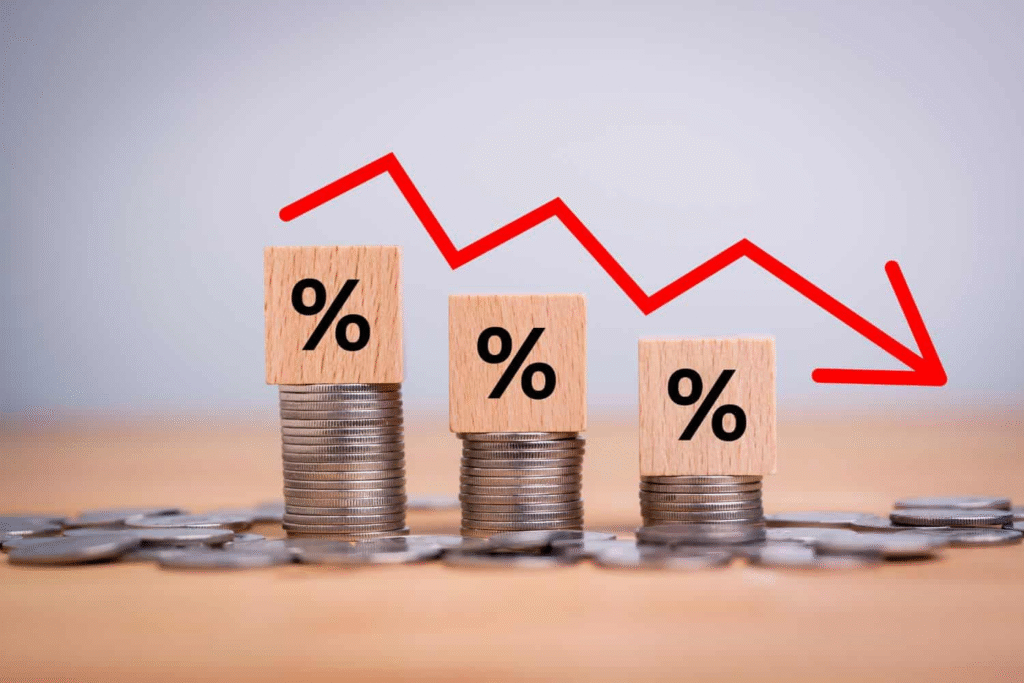
When the repo rate goes down:
➡️ Loans become cheaper
➡️ EMIs drop
➡️ Demand increases
➡️ Businesses grow
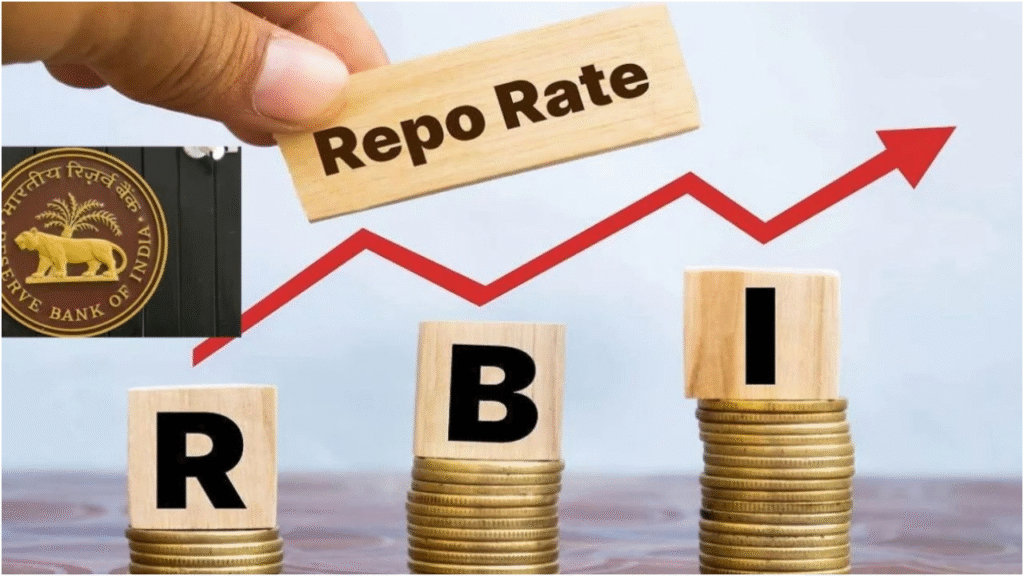
In 2026, this one rate will influence every major loan in India.
2. RBI Repo Rate Trend Entering 2026
India entered 2026 with a repo rate around the 6% mark, after multiple stabilizing moves in 2025. However, inflation in late 2025 showed mild fluctuations due to:
- Rising crude oil prices
- Food supply shocks
- Global geopolitical tensions
- Manufacturing slowdown
RBI’s stance for 2026 is “Cautiously accommodative with inflation watch”, meaning:
✔ No major rate hikes unless inflation surges
✔ Gradual rate cuts possible from mid-2026
✔ Liquidity might tighten if global instability increases
This makes 2026 a year of mixed expectations — hopeful yet uncertain.
3. How the Repo Rate in 2026 Will Impact Different Loans
Let’s break it down category-wise so every borrower can understand how their EMI may change.
3.1 Home Loan Impact in 2026
Home loans are linked to the External Benchmark Lending Rate (EBLR), directly influenced by the repo rate.
If RBI cuts the repo rate:
- Home loans may become 0.25%–0.50% cheaper
- EMI for ₹50 lakh loan may drop by ₹1,000 – ₹2,500 per month
- Real estate demand may surge
- New buyers will benefit the most
If RBI maintains current rate:
- No major change in EMIs
- Lenders may offer festive discounts
- Refinancing demand stays stable
If RBI hikes the repo rate:
- Home loans become costlier by 0.25%–0.35%
- EMI burden increases sharply
- Refinancing becomes slow
2026 Home Loan Advice:
✔ Lock in floating rates early
✔ If repo rate dips, refinance immediately
✔ Avoid unnecessary top-up loans
3.2 Car Loan Impact in 2026
Car loans depend on bank MCLR + risk premium.
If RBI cuts repo rate:
Car loan interest may fall by 0.10%–0.25%
If RBI hikes rate:
Expect a rise of 0.25% in most car loan EMIs.
Scenario Example (2026):
For a ₹10 lakh loan (5-year tenure):
| Repo Rate Change | Car Loan EMI Change |
|---|---|
| –0.25% | EMI drops by ~₹120/month |
| +0.25% | EMI increases by ~₹140/month |
A small change, but enough to impact long-term affordability.
3.3 Personal Loan Impact in 2026
Personal loans are most sensitive to repo rate changes.
Because they are unsecured, banks add high risk premiums.
If RBI cuts repo rate:
Interest may reduce by 0.15% – 0.40%
If RBI hikes rate:
Interest may increase by up to 0.50%, making personal loans costlier than ever.
This matters because 2026 is seeing:
- Highest-ever personal loan demand
- Rising credit card spending
- Growth in short-term financing apps
Borrowers must stay cautious.
3.4 Business Loan Impact in 2026
For entrepreneurs and MSMEs:
Repo Rate Cut:
- Cheaper working capital loans
- Easier credit availability
- Lower interest on cash credit, overdraft, term loans
Repo Rate Hike:
- Costlier borrowings
- Slower business expansion
- Pressure on SMEs
With the government pushing “Make in India 2.0”, RBI is expected to keep rates stable to support business growth.
4. EMI Calculation: How Much Will You Save or Pay Extra in 2026?
Let’s take a simple real-life example.
Home Loan EMI Comparison (₹50 lakh for 20 years)
| Repo Rate Change | Effective Home Loan Rate | EMI | Difference |
|---|---|---|---|
| –0.25% | 8.25% → 8.00% | ₹41,822 | –₹1,258 |
| –0.50% | 8.25% → 7.75% | ₹40,919 | –₹2,161 |
| +0.25% | 8.25% → 8.50% | ₹42,762 | +₹1,182 |
This is why home loan borrowers closely monitor RBI policies.
5. Why RBI Repo Rate Matters More in 2026 Than Previous Years
2026 is financially sensitive for India because:
- Government fiscal policies are expanding
- Inflation remains unpredictable
- Global markets are volatile
- Stock markets are bullish but fragile
- Banks are increasing loan disbursals
Thus, every repo rate change will have stronger ripple effects across:
✔ Retail loans
✔ Business loans
✔ Credit demand
✔ Real estate
✔ Automobile sector
✔ Banking profitability
6. Will RBI Cut the Repo Rate in 2026? (Expert Predictions)

Based on early 2026 indicators:
1️⃣ Possibility of Rate Cut (40–50%)
If inflation cools consistently, RBI may cut rates by 25–50 bps.
2️⃣ Possibility of Rate Hike (20–30%)
If global tensions escalate or crude oil rises above $100 per barrel.
3️⃣ Most Likely Scenario: Stable Rates till Mid-2026
RBI may keep the rate unchanged until inflation becomes stable.
Bottom Line:
Borrowers must plan assuming no immediate relief, but expect possible cuts in the second half of 2026.
7. Should You Take a Loan in 2026? (Practical Advice)

✔ Best Time to Take a Home Loan in 2026
- Early 2026: Stable rates
- Mid or late 2026: If rate cuts happen → refinance
✔ Best Time to Take a Car Loan
- During festival season discounts
- When banks reduce risk premiums
✔ Best Time to Take Personal Loan
- Only if necessary
- Compare banks before selecting
- Avoid loans above 13–15% interest
8. Tips to Reduce EMI Burden in 2026
✔ Switch to Floating Rates
They benefit during repo rate cuts.
✔ Increase Your EMI by 5–10%
Small increments reduce tenure drastically.
✔ Make Part Payments
Use bonuses, incentives, OT income, tax refunds.
✔ Use Balance Transfer Offers
Banks offer lower rates for new customers.
✔ Improve Credit Score (750–800)
Higher scores → lower interest.

9. Repo Rate and the Real Estate Market 2026
If RBI cuts the rate:
- Housing demand will boom
- Builders may launch new projects
- NRI investments will increase
- Tier-2 cities will grow faster
If RBI maintains/hikes the rate:
- Demand will stabilize
- Affordable housing may slow down
- Construction finance will be costlier
Hence, real estate investors must watch RBI policies closely.
10. Conclusion: What 2026 Means for Borrowers
2026 will be a make-or-break year for Indian loan borrowers.
If the repo rate cuts happen:
➡️ Home, car, and personal loans get cheaper
➡️ EMIs drop
➡️ Borrowing becomes easier
If rates stay unchanged:
➡️ EMIs remain stable
➡️ No major shift in affordability
If rates rise:
➡️ Borrowers face higher EMIs
➡️ Demand slows down
➡️ Refinancing becomes tougher
One thing is clear:
👉 The RBI Repo Rate 2026 will decide the financial future of millions of Indians.
Stay updated. Stay informed. And make smart borrowing decisions.
For More Such Amazing Content Please Visit : https://investrupeya.insightsphere.in/









Post Comment