Astral Ltd — India’s Building-Materials Powerhouse
Astral Ltd has quietly become one of India’s most recognised building-materials names — not by flamboyant marketing, but by steadily expanding a portfolio that touches almost every bit of a modern home: pipes that carry water, adhesives that join surfaces, waterproofing that protects structures, and even paints and bathware. What began as a niche CPVC player in the late 1990s is today a diversified group with national reach, strong distribution, and a reputation for product reliability.
A short origin story: solving a real plumbing problem

Astral’s journey began in 1996 when Sandeep Engineer set up what was then Astral Poly Technik. The company introduced CPVC piping technology to India (initially under license), and over the next decade its focus shifted from industrial to plumbing applications — a move that proved transformative. CPVC offered an alternative to corroding GI pipes and unsafe plumbing materials, and Astral capitalised on this early lead to build brand trust among contractors, plumbers and homeowners.
How Astral built its moat: products, distribution, and trust
Astral didn’t just sell pipes — it built a full ecosystem. Key ingredients of its success:
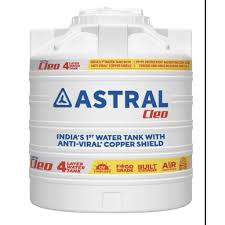
- Product breadth. Beyond CPVC and uPVC pipes, Astral branched into adhesives and sealants, water tanks, bathware and paints. These adjacent categories reduce dependency on any single revenue stream and increase share-of-wallet in construction projects.
- Manufacturing footprint. The group set up multiple manufacturing sites across India (Gujarat, Tamil Nadu, Rajasthan, Maharashtra, Uttarakhand, Odisha), helping it reduce logistics costs and meet regional demand quickly.
- Distribution and service. A dealer/distributor network numbering in the thousands, plus warranties (Astral markets long warranties on flagship products), created stickiness with builders and plumbing professionalsPut simply: Astral created a one-stop proposition for several building-material needs, and then executed on it consistently.
Financial snapshot and market positioning (what investors care about)
Astral is publicly listed and grew rapidly for many years, gaining investor attention because of consistent volume growth, product launches and margin expansion. That said, like any industrial company, it cycles with raw-material (PVC) prices, construction activity, and macro demand. Recent public filings and market coverage show Astral’s sizeable revenue base and a generally strong balance sheet — the company has been noted for low leverage — but it is not immune to temporary profit pressure: for example, in a recent quarter (Q1 FY26) consolidated PAT fell sharply year-on-year, triggering a share-price reaction
Analysts continue to view Astral as a leader in its sector, and broker notes (including recent coverage of the plastic-pipes sector) see potential upside if margins recover and volume growth resumes. However, sector forecasts also emphasise cyclical risks and the need for continued product innovation.
Innovation and strategic moves — not just volume plays
Astral’s long-term edge has been technical: it was an early adopter of CPVC and lead-free uPVC in India and has invested in compounding and proprietary formulations rather than relying entirely on licensing. Over time the company expanded into adhesives (a higher-margin, branded FMCG-like segment), paints (via Gem Paints), and bathware — making the business less sensitive to single-product cycles. It’s also invested in R&D and quality control, which matters in categories where failures (leaky pipes, failed adhesives) are costly reputationally.
Strategic acquisitions and expansions into related categories (resins, adhesives, paints) show a clear playbook: find a distribution overlap, introduce a product that benefits from existing dealer relationships, and leverage the brand’s trust. This approach shortens new-product adoption cycles and brings cross-sell advantages.
Challenges on the road ahead
No company is without challenges, and Astral faces several:
- Raw material volatility. PVC and related resin prices swing with global petrochemical cycles. When resin prices spike, margins can compress if price increases can’t be passed to customers quickly.
- Competition. The Indian pipes and adhesives market is crowded — large incumbents, regional players and low-cost local manufacturers compete on price and reach. Astral’s premium/quality positioning helps, but competition is relentless.
- Cyclicality of construction spend. Infrastructure and housing cycles influence volumes; a slowdown in real estate or delayed government projects can dent near-term growth.
- Execution on new categories. Moving into paints and bathware requires different go-to-market tactics (retail presence, colour matching, design), and success is not guaranteed. Why Astral still matters for consumers and the construction ecosystem
From a homeowner’s perspective, Astral’s products reduce the long-term cost and maintenance burden: CPVC and good adhesives mean fewer leaks, less water contamination risk, and longer asset life. For plumbers, a dependable product with national service and spare availability reduces job complexity. For large builders, a single supplier capable of delivering pipes + adhesives + waterproofing simplifies procurement and warranties.
From an industry perspective, Astral’s ascent has helped modernise Indian plumbing standards. That’s not a small thing — better plumbing and waterproofing have direct public health and asset-preservation benefits in a country with rapid urbanisation.
What to watch next (key indicators for readers and investors)
If you follow Astral as a consumer, contractor, or investor, keep an eye on:
- Quarterly margins and resin cost pass-through. Can Astral maintain margins when PVC/resin prices spike? Short-term profit swings often reflect this dynamic.
- Volume growth in new categories. Adoption rates for Gem Paints, bathware, and adhesives outside Astral’s traditional plumbing base will indicate whether diversification is working.
- Distribution expansion and channel productivity. New dealers, dealer sales per SKU, and institutional sales to builders are leading indicators of sustainable growth.
- M&A or strategic partnerships. Any further acquisitions in chemicals, paints, or related building materials could accelerate growth and cross-sell. Final verdict: built on basics, growing by design
Astral’s story is a textbook of disciplined category expansion: niche technical leadership (CPVC) → mass plumbing adoption → adjacent category entry (adhesives, paints, bathware) → leveraging a national distribution network. This layered expansion, backed by consistent manufacturing investments and brand positioning, explains why Astral transformed from a small CPVC player into a multi-product building-materials company. That said, short-term financial volatility due to raw-material swings and sector cyclicality means stakeholders should balance optimism about long-term brand strength with caution about near-term profit fluctuations
For More Such Amazing Content Please Visit : https://investrupeya.insightsphere.in/









Post Comment