India Discovers Tantalum Metal: A Game-Changer for Electronics, Defence, and Critical Minerals Strategy
🌍 Introduction
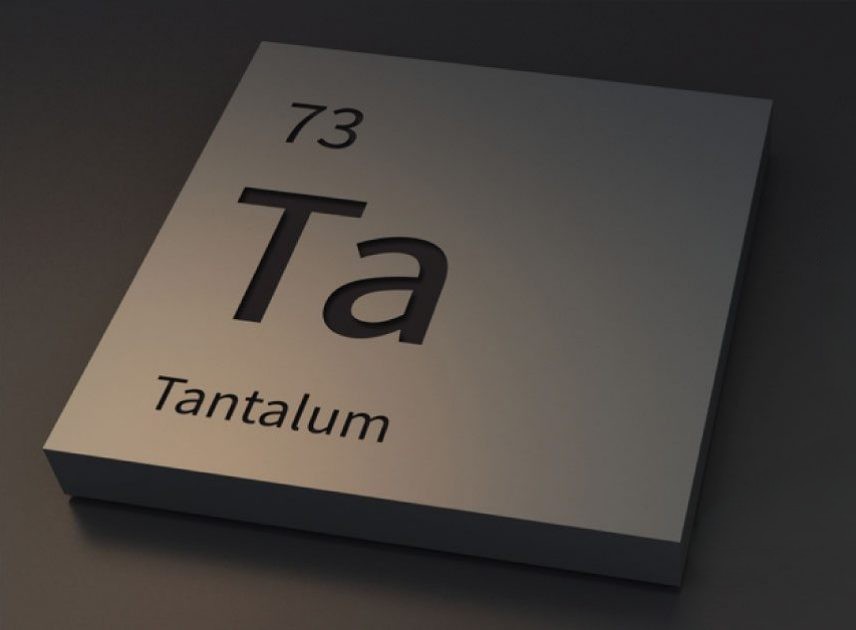
India has taken a giant leap forward in the global race for critical minerals with the discovery of Tantalum metal — a rare, highly valuable element essential to electronics, defence, and space technologies.
This discovery, made through IIT Ropar’s research on Sutlej river sediments, marks a major scientific and industrial milestone. As the world battles supply chain constraints and geopolitical tensions over rare minerals, India’s tantalum find has the potential to reshape its technological and economic future.
🔬 What is Tantalum Metal?
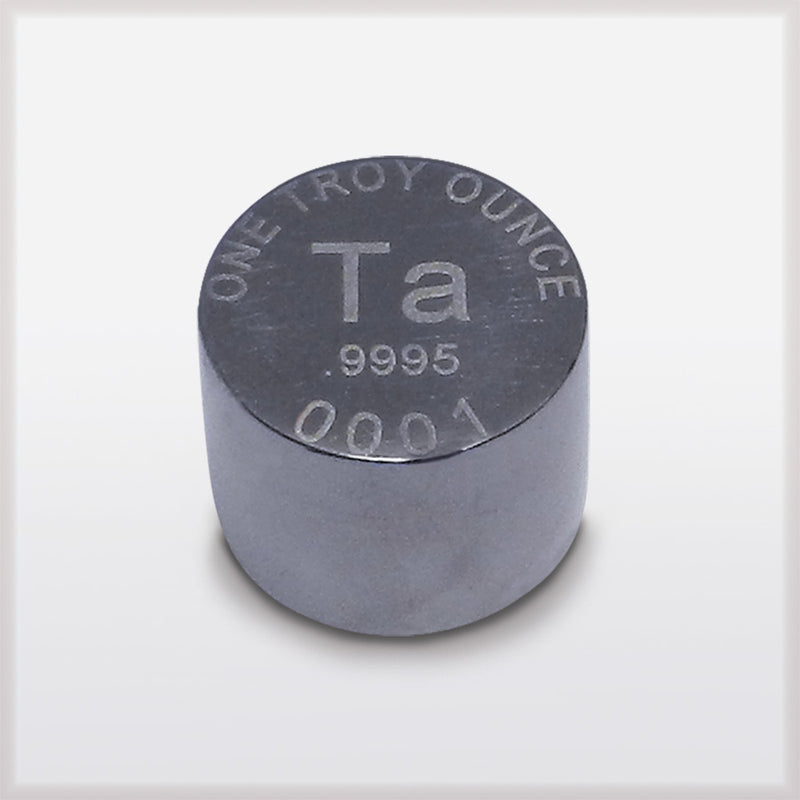
Tantalum (Ta) is a rare, hard, blue-gray transition metal known for its:
- Extreme corrosion resistance
- High melting point (3017°C)
- Excellent electrical conductivity
Because of these properties, it’s extensively used in:
- Electronic capacitors
- Aerospace alloys
- Medical implants
- Nuclear and energy applications
Globally, Rwanda, the DRC, Brazil, and Australia are key producers of tantalum. Now, with India entering this domain, it could soon reduce its dependence on imports and strengthen its strategic autonomy in critical materials.
🧭 The Landmark Discovery in India
The breakthrough came when researchers at IIT Ropar (Punjab) discovered traces of tantalum in the Sutlej River basin while studying sediment samples for earthquake-related research.
Their analysis revealed the presence of tantalum-bearing minerals, a surprising outcome that hints at the possibility of larger deposits upstream. The discovery is not just scientific curiosity — it signals India’s potential to become a player in the global tantalum market.
📍 Key Details:
- Location: Sutlej River, Punjab (samples from river sediments)
- Discovered by: IIT Ropar research team
- Year: 2025
- Significance: First evidence of natural tantalum presence in India
The researchers noted that the metal might have originated from upstream regions of the Himalayas, carried through the river sediments. Further geological surveys are underway to determine the source and concentration levels.
🏗️ Government’s Role: Recognizing Tantalum as a Strategic Mineral
India’s discovery comes at a time when the Government of India has identified 24 “Critical and Strategic Minerals” under the MMDR Act, 1957, which includes Tantalum.
The move aligns with India’s larger goal of reducing import dependence and building self-reliance in materials essential for:
- Semiconductors
- Electric vehicles (EVs)
- Renewable energy systems
- Defence manufacturing
🏛️ Recent Policy Developments:
- Critical Mineral List (2024): Tantalum added to India’s strategic mineral list.
- Royalty Rates Approved: The Union Cabinet approved royalty rates for 12 critical minerals, including Tantalum.
- Geological Survey of India (GSI): Conducting exploration in Gujarat, Rajasthan, Arunachal Pradesh, and Nagaland for tantalum and niobium ores.
- Auction Plans: Identified blocks with tantalum potential to be auctioned for commercial exploration.
This policy momentum supports India’s ambition to become a global hub for critical mineral processing and manufacturing.
⚙️ Why Tantalum Discovery Is Important for India
The discovery of tantalum metal in India carries multi-dimensional significance across industries and national strategy.
1️⃣ Strengthening Electronics Manufacturing
Tantalum capacitors are vital components in:
- Smartphones
- Laptops
- Medical devices
- 5G equipment
- EV systems
Having a domestic supply would reduce import costs, support Make in India, and strengthen the semiconductor ecosystem.
2️⃣ Boost to Defence and Aerospace
Tantalum’s heat and corrosion resistance make it indispensable for:
- Jet engines
- Rocket nozzles
- Missile parts
- Armoured vehicles
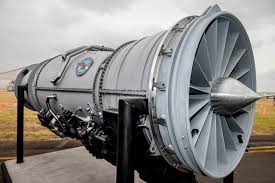
With India expanding indigenous defence manufacturing, tantalum can enhance self-reliance in high-performance materials.
3️⃣ Economic and Industrial Value
Tantalum is currently valued at $150–200 per kg depending on purity. Domestic mining and refining could create:
- Thousands of jobs
- New export opportunities
- Industrial hubs for high-tech alloys and electronics
4️⃣ Strategic Independence
By developing its own supply of critical minerals like tantalum, India can reduce dependence on China and Africa, ensuring stable access to high-value materials amid global tensions.
🧩 India’s Exploration Zones for Tantalum
The Geological Survey of India (GSI) has already initiated exploration in several states:
| State | Location | Associated Minerals |
|---|---|---|
| Gujarat | Sabarkantha | Tin, Tungsten, Tantalum, Niobium |
| Rajasthan | Nagaur (Rewat Hill) | Niobium-Tantalum Ore (16.42 million tonnes at 144 ppm) |
| Arunachal Pradesh | East Kameng | Rare metal-bearing pegmatites |
| Bihar & Jharkhand | Under reconnaissance | Tin-Tantalum belts |
These zones could evolve into India’s first domestic tantalum mining clusters, supporting electronics and defence manufacturing hubs.
⚠️ Challenges in Developing Tantalum Mining
![Kashmir mining: Riverbed mining in Kashmir impact state's fishes [Video]](https://imgs.mongabay.com/wp-content/uploads/sites/30/2021/11/17114008/vlcsnap-2021-11-09-11h18m11s309-e1637129573420.jpg)
Despite the promising discovery, several challenges remain before India can fully harness its tantalum potential:
🔹 1. Low Concentration Levels
The current Sutlej discovery shows only trace levels of tantalum. Extensive exploration is needed to confirm commercial-grade deposits.
🔹 2. High Extraction Cost
Tantalum refining involves complex, high-temperature chemical processes, which require advanced infrastructure and environmental controls.
🔹 3. Environmental and Social Impact
Mining in ecologically sensitive areas like river basins demands strict environmental safeguards and community engagement.
🔹 4. Global Market Volatility
Tantalum prices fluctuate due to geopolitical supply constraints. India must balance mining with recycling and sustainable sourcing.
🌿 Sustainability and Ethical Sourcing
Globally, tantalum mining has been associated with “conflict minerals”, especially in the Democratic Republic of Congo. India’s entry offers a chance to set new standards for ethical, transparent, and green mining.
The focus should be on:
- Environmentally responsible extraction
- Worker welfare and safety
- Recycling from electronic waste (urban mining)
- Transparent supply chains adhering to OECD guidelines
By leading with sustainability, India can position itself as a responsible global supplier of critical minerals.
🔮 Future Outlook: India’s Path Ahead
The discovery of tantalum metal is only the beginning. With proper policy support, investment, and scientific exploration, India could:
- Establish domestic tantalum refineries for electronics and defence-grade applications.
- Develop alloy and capacitor industries within its industrial corridors.
- Partner globally for technology transfer and R&D in critical minerals.
- Expand recycling initiatives to recover tantalum from discarded electronics.
India’s vision should be not just to mine tantalum, but to own the entire value chain — from ore to advanced component.
💬 Conclusion: A Strategic Leap for India

The discovery of Tantalum metal in India marks a turning point in the nation’s mineral and industrial strategy.
It symbolizes a shift from dependency to self-reliance, from exploration to innovation, and from raw material export to high-value manufacturing.
With strong governance, sustainable practices, and global collaborations, India can transform this discovery into a strategic advantage — powering its electronics revolution, defence modernization, and green technology future.
In the story of India’s rise as a critical minerals powerhouse, Tantalum metal might just be the hidden gem that sparks the next industrial leap.
For More Such Amazing Content Please Visit : https://investrupeya.insightsphere.in/










Post Comment